
Septic Tank Backup: What to Do and Who to Call
A septic tank backup is one of the most stressful situations a homeowner can face. Sewage entering your home is a health hazard and a sign that your system needs immediate attention. Knowing what to do in the first few minutes can limit damage and protect your family. At Eco Septic Solutions, we respond to septic tank backups across Ventura County 24 hours a day.
What Causes a Septic Tank Backup?
Several issues can cause a septic tank backup. Understanding the cause helps you communicate clearly with your technician and avoid repeat problems in the future.
A full or overloaded tank is the most common cause. When solids accumulate past the tank’s capacity, waste has nowhere to go and pushes back into the home’s plumbing. This happens when routine pump-outs are skipped or delayed too long.
A clogged inlet baffle is another frequent cause. The inlet baffle directs incoming waste into the tank properly. When it breaks or becomes blocked, flow into the tank stops and waste backs up into the pipes.
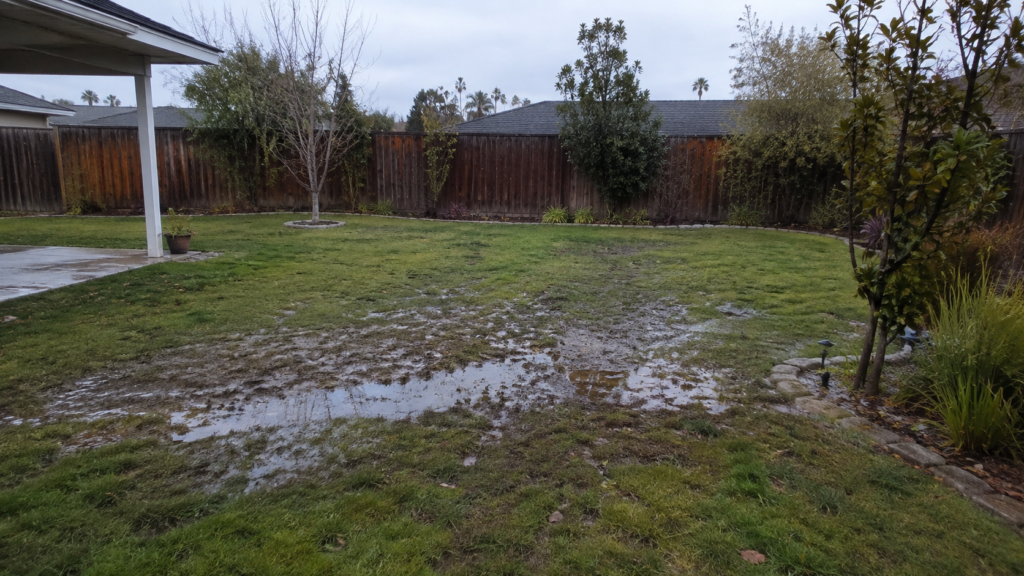
Drain field failure also triggers backups. When the drain field becomes saturated or clogged, liquid cannot exit the tank. Pressure builds and sewage reverses into the home. Drain field problems often develop gradually before causing a full backup.
Root intrusion is a common culprit in older properties. Tree roots grow into sewer lines and block normal flow. This blockage creates pressure that pushes waste backward through the system.
Step 1: Stop Using Water Immediately
The first thing to do during a septic tank backup is stop all water use in the home. Do not flush toilets, run the dishwasher, use the washing machine, or take showers. Every additional gallon of water you send into the system makes the backup worse.
Turn off appliances that use water automatically, such as ice makers or humidifiers connected to the water supply. The goal is to reduce pressure on the system until a technician arrives.
Step 2: Keep Everyone Away from the Affected Area
Raw sewage contains harmful bacteria and pathogens. Keep children and pets away from any area where sewage has backed up. Do not touch contaminated surfaces without gloves and protective gear.
Open windows in affected rooms to ventilate the space. Septic gases are toxic and can build up quickly in enclosed areas. Fresh air reduces exposure while you wait for help.
Step 3: Call a Licensed Septic Professional
Call a licensed septic contractor as soon as possible. A septic tank backup is not a DIY situation. Opening the tank yourself is dangerous due to toxic gases and the risk of falls. A professional has the equipment and training to diagnose and resolve the problem safely.
Eco Septic Solutions is available 24 hours a day for septic emergencies throughout Ventura County. Call us at (805) 670-1305 and our team will respond quickly. Learn more about our emergency septic service and what to expect when we arrive.
Step 4: Document the Damage
Take photos of any areas where sewage has entered the home before cleanup begins. This documentation supports insurance claims and helps your technician understand the severity of the backup. Note which drains and fixtures were affected and when you first noticed symptoms.
Contact your homeowner’s insurance provider to ask whether septic backup damage is covered under your policy. Some policies include sewage backup coverage as an add-on. Having documentation ready speeds up the claims process.
Step 5: Clean and Disinfect Affected Areas
Once the technician resolves the backup and confirms the system is functioning again, clean all affected surfaces thoroughly. Use a disinfectant rated for sewage cleanup. Porous materials like carpet, drywall, and wood that absorbed sewage may need to be removed and replaced.
Wear gloves, boots, and a mask during cleanup. Wash all clothing and gear that contacted sewage separately from regular laundry. If the backup was severe, consider hiring a professional water damage and remediation company.
How to Prevent a Septic Tank Backup
Prevention is always better than emergency response. Regular pump-outs are the single most effective way to avoid backups. Most households in Ventura County should schedule pumping every 3 to 5 years. Our guide on how often to pump your septic tank in California breaks down the right schedule for different household sizes.
Beyond pumping, be careful about what enters your system. Never flush wipes, paper towels, feminine products, or grease. Spread laundry loads throughout the week to avoid overloading the system with water at once. Avoid planting trees near sewer lines to prevent root intrusion.
A camera inspection can identify developing problems before they cause a full backup. Our camera diagnostic service gives you a clear view of your sewer lines and tank condition without any digging.
When a Backup Points to a Bigger Problem
Some backups are resolved with a pump-out. Others point to deeper issues like a failing drain field, a cracked tank, or collapsed sewer lines. Your technician will assess the full system after clearing the immediate backup and advise you on any additional repairs needed.
Drain field failure in particular requires prompt attention. A saturated or clogged drain field does not recover on its own. Delaying treatment increases repair costs and the risk of repeat backups. The EPA septic system guide explains how drain fields work and what causes them to fail.
For California-specific regulations on septic system repairs and requirements, visit the California Water Resources Control Board.
Eco Septic Solutions Is Ready to Help
Eco Septic Solutions provides 24-hour emergency septic service for homeowners and businesses throughout Ventura County. We serve Ojai, Ventura, Oxnard, Camarillo, Thousand Oaks, Moorpark, Simi Valley, and all surrounding areas.
Our team arrives prepared, works efficiently, and explains every finding before starting any repair. Call us at (805) 670-1305 or contact us online any time of day or night.


